A NOTE FROM THE COLLECTION
A place for
what we keep
Plants, food, and the knowledge we pass from one pair of hands to another.
Someone learned it.
Someone kept it.
Someone passed it on.
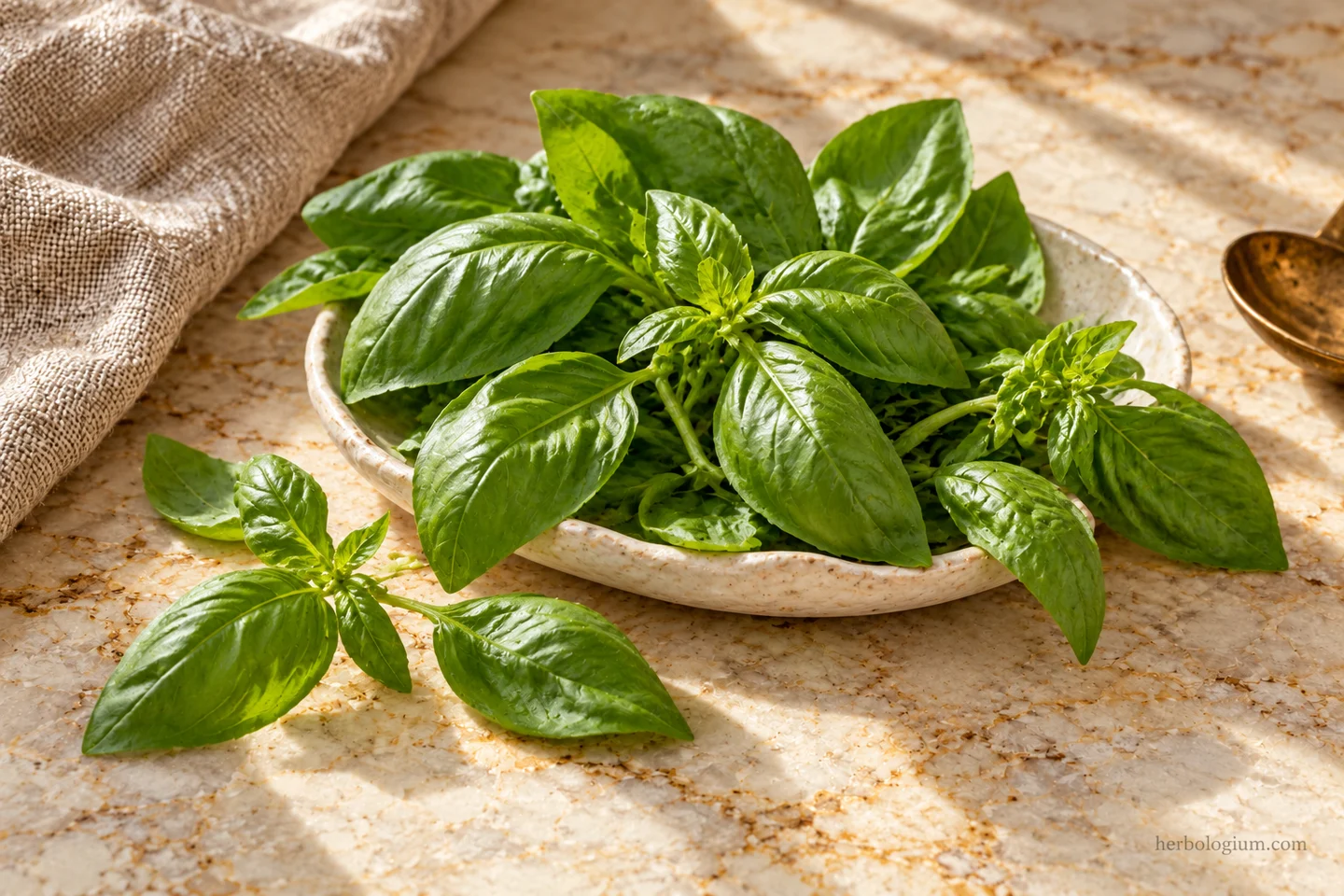
Basil — imagined ingredient study · OpenAI image generation · Herbologium art direction · AI-generated decorative artwork. Original AI-generated ingredient illustration, made for Herbologium with Taj Mahal quartzite, flax linen and soft natural-light styling. Not a photograph, botanical identification guide, or documentation of a historical custom. The domain mark identifies the collection; no human photographer is claimed. No blanket reuse license is stated. Source: https://herbologium.com/botanical-illustrations.json
A little knowledge, worth keeping.
01 / THE BEGINNING
A continuing
curiosity.
Plants, food, and questions worth following.
Evelyna Bellamy originally planned to major in nutritional science and completed a minor in it instead. That continuing interest helped shape Herbologium.
Herbologium brings that curiosity together with plants, food, ancestral knowledge, and the stories people tell about the things they grow and eat. The collection gives those questions a place beside one another, with paths back to the sources.
The familiar little box of handwritten recipes gave the collection its shape: useful things tucked behind dividers, a note beside an ingredient, something kept because someone might need it again.
Here, there is room for a botanical reference, a recipe, a documented belief, and a research paper. Each keeps its own author and context. Evelyna's role is the site founder and collection curator; that role does not make her the author, photographer, researcher, or recipe tester of the source material.
Source summaries and site copy were prepared with AI assistance. Original quotations, recipe text, images, and research retain their own credits. Read about editorial preparation →
More about Evelyna02 / THE QUESTIONS
Four drawers.
A wider world between them.
You can begin with an ingredient, a memory, a place, or a question. The connections give you somewhere to go next.
What is this plant?
Names, families, useful parts, and a closer look.
How do we bring it to the table?
Recipes, preparations, and the ways people bring plants to the table.
What stories have grown around it?
Recorded customs, literature, and beliefs in their own contexts.
What can the evidence tell us?
Biological questions and research readings, with their limits attached.
How does the story change with place?
People, regional food traditions, and the sources that connect them.
03 / WHAT WE INHERIT
Recipes, stories,
and questions.
Inheritance opens several kinds of inquiry here. Each deserves its own way of being read.
From one kitchen to another
A remembered method, a grower’s name, a substitution made after a move. Family knowledge is kept with the person, place, and uncertainty that belong to it.
Across communities and places
Regional food traditions are introduced through particular accounts. We ask who recorded them, whose knowledge is represented, and what that source leaves out.
Questions about the body
Biological inheritance and nutrition have their own research questions. Here, ancestry is an invitation to investigate evidence; the collection does not turn it into a personal meal prescription.
04 / TRY A CONNECTION
Start with a clove of garlic.
One familiar ingredient. Four different kinds of reading. Each card keeps its source and the question it can help answer.
- 01 / The plant
Garlic
Begin with the bulb and its botanical name.
Open the card - 02 / The kitchen
Lentil soup with tomato and basil
Find garlic among the ingredients in a pot of soup.
Open the card - 03 / The account
A garlic clove carried from home
Read one recorded protective custom, with its source.
Open the card - 04 / The research
Garlic & blood lipids
Examine a trial’s preparation, participants, and limits.
Open the card
These are connected readings, each with a different scope. The soup and research paper do not test the meaning of the recorded custom.
Set garlic on the study table05 / THE ARTWORK
Every picture has an origin.
Imagined ingredient studies, a decorative rosemary illustration, and original ingredient symbols accompany the readings. Their origins and the earlier archival references stay within reach.
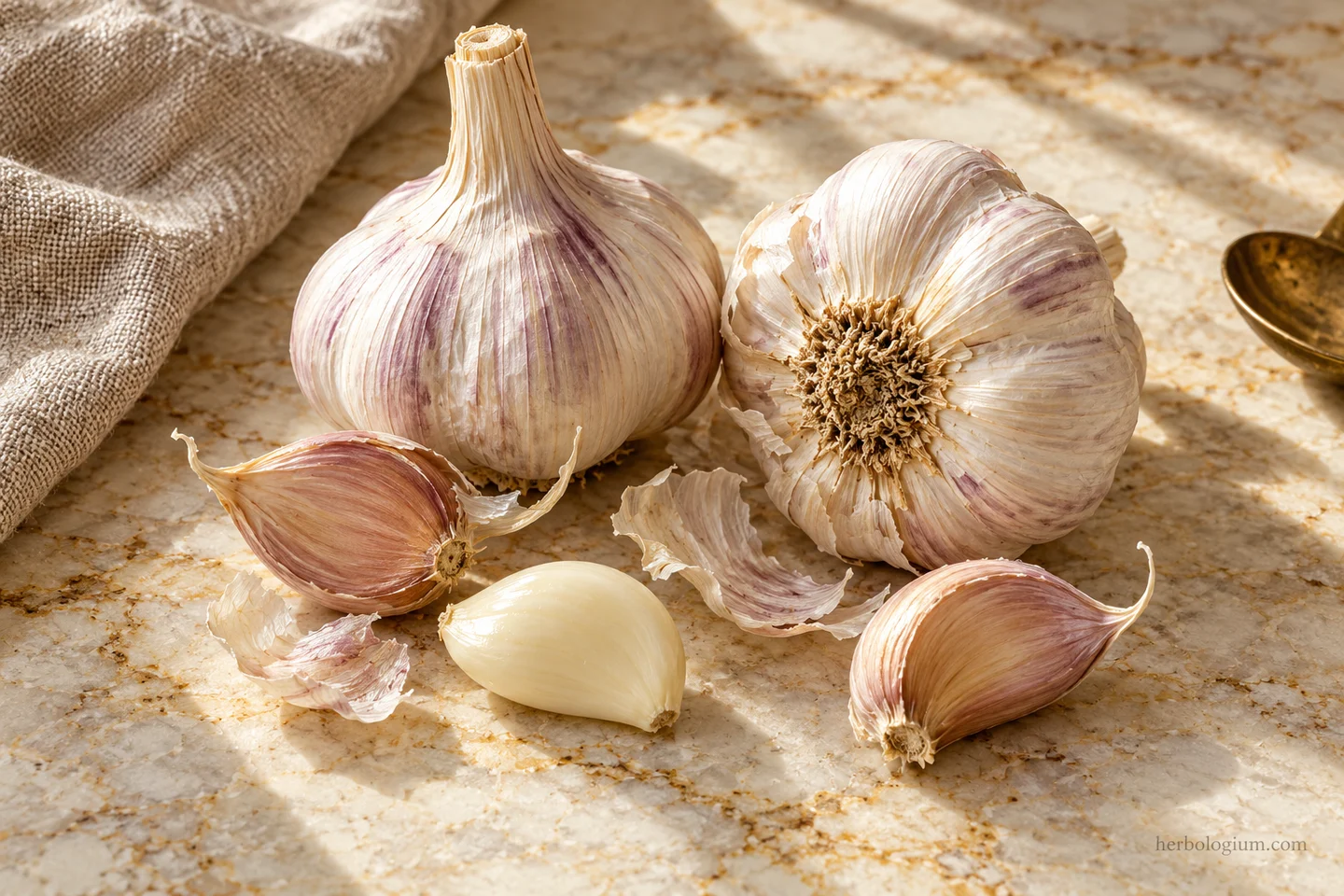
Garlic — imagined ingredient study · OpenAI image generation · Herbologium art direction · AI-generated decorative artwork. Original AI-generated ingredient illustration, made for Herbologium with Taj Mahal quartzite, flax linen and soft natural-light styling. Not a photograph, botanical identification guide, or documentation of a historical custom. The domain mark identifies the collection; no human photographer is claimed. No blanket reuse license is stated. Source: https://herbologium.com/botanical-illustrations.json
Imagined for the table
These ingredient still lifes were created with OpenAI image generation, using Taj Mahal stone, linen, and natural-light styling. They are illustrations, not photographs or plant-identification guides.
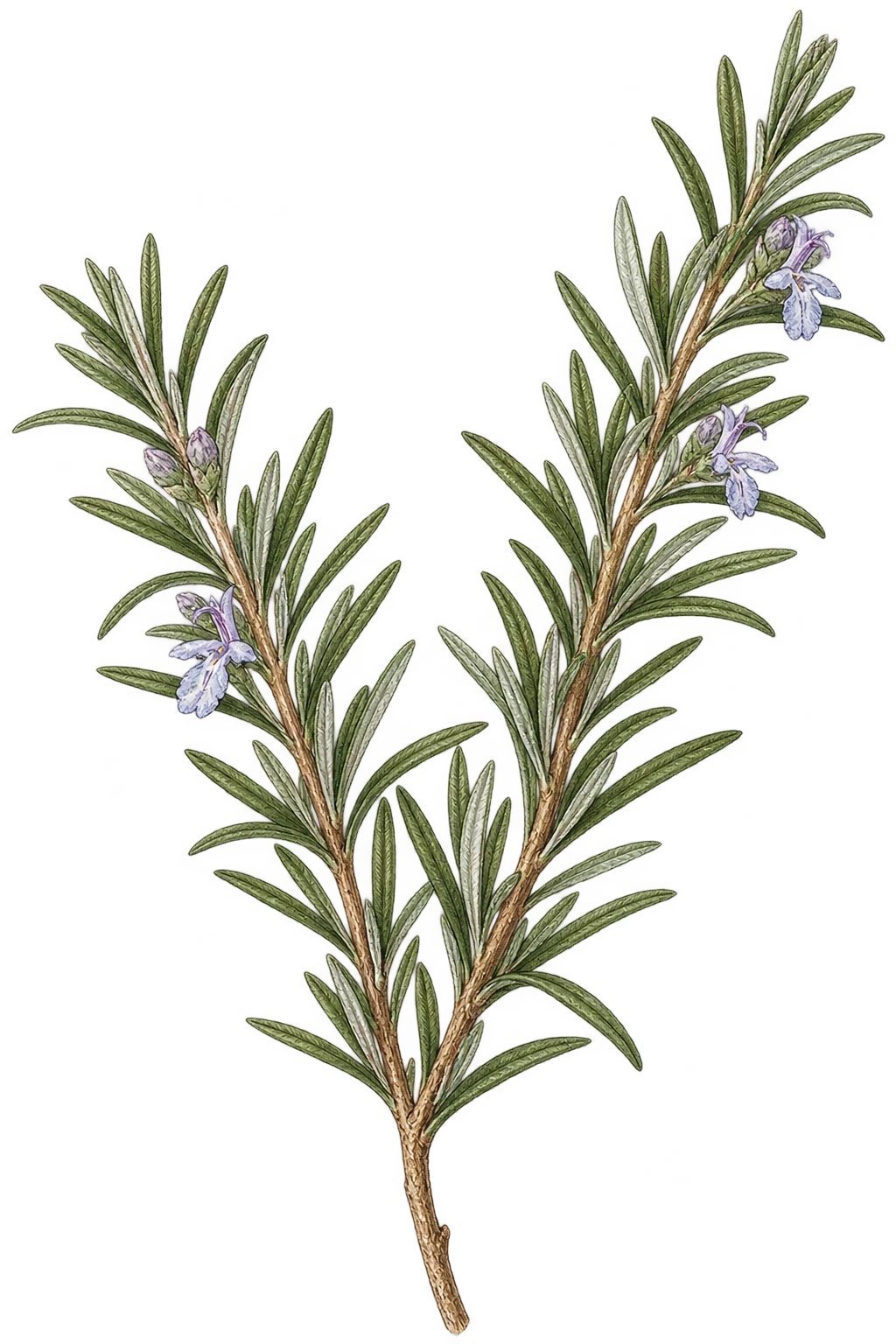
Rosemary · generated decorative study
AI-generated for Herbologium · Herbologium · AI-generated decorative artwork
View the source record ↗Image source: https://herbologium.com/about#artwork · Original decorative illustration generated with OpenAI ImageGen. Not a historical plate or a plant-identification diagram.
Made for this collection
The rosemary study was generated with OpenAI ImageGen. It is credited as contemporary decorative artwork.
Drawn as small companions
Original line symbols accompany pantry profiles and regional collections. Like the other artwork here, they are not plant-identification guides.
Credit & reuseFull artwork catalogue12 illustrations · makers, collections & source records
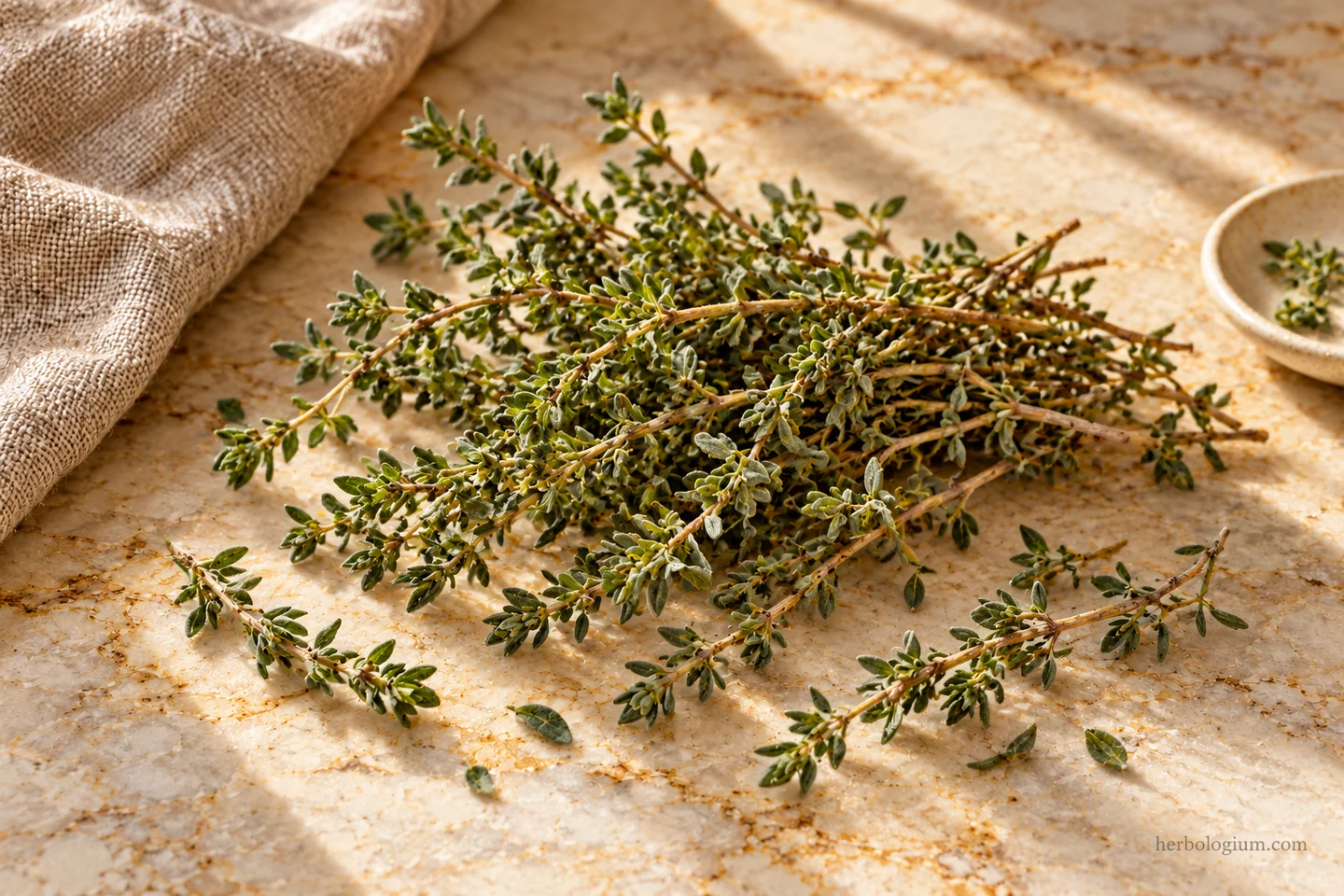
Thyme — imagined ingredient study · OpenAI image generation · Herbologium art direction · AI-generated decorative artwork. Original AI-generated ingredient illustration, made for Herbologium with Taj Mahal quartzite, flax linen and soft natural-light styling. Not a photograph, botanical identification guide, or documentation of a historical custom. The domain mark identifies the collection; no human photographer is claimed. No blanket reuse license is stated. Source: https://herbologium.com/botanical-illustrations.json
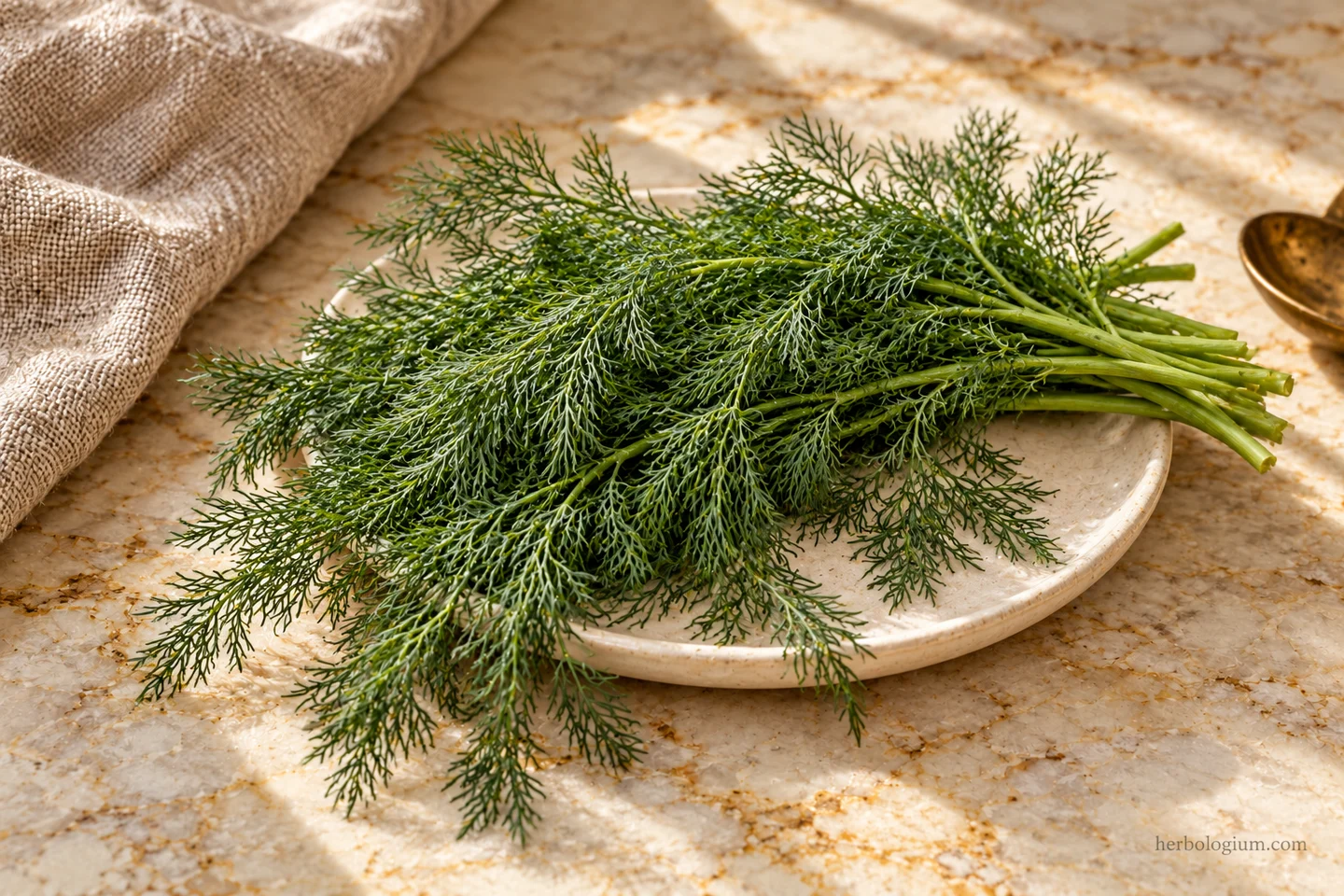
Dill — imagined ingredient study · OpenAI image generation · Herbologium art direction · AI-generated decorative artwork. Original AI-generated ingredient illustration, made for Herbologium with Taj Mahal quartzite, flax linen and soft natural-light styling. Not a photograph, botanical identification guide, or documentation of a historical custom. The domain mark identifies the collection; no human photographer is claimed. No blanket reuse license is stated. Source: https://herbologium.com/botanical-illustrations.json
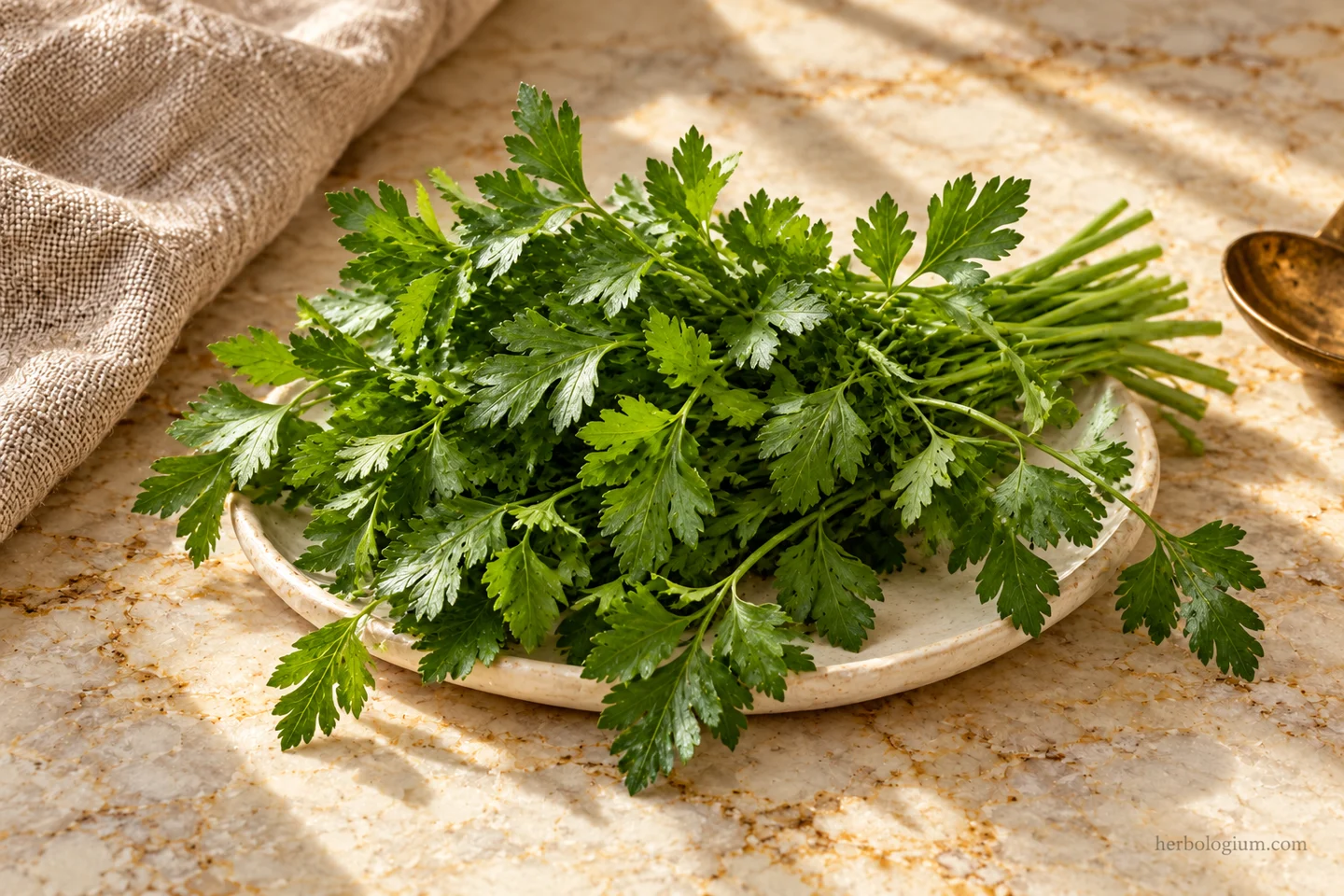
Parsley — imagined ingredient study · OpenAI image generation · Herbologium art direction · AI-generated decorative artwork. Original AI-generated ingredient illustration, made for Herbologium with Taj Mahal quartzite, flax linen and soft natural-light styling. Not a photograph, botanical identification guide, or documentation of a historical custom. The domain mark identifies the collection; no human photographer is claimed. No blanket reuse license is stated. Source: https://herbologium.com/botanical-illustrations.json
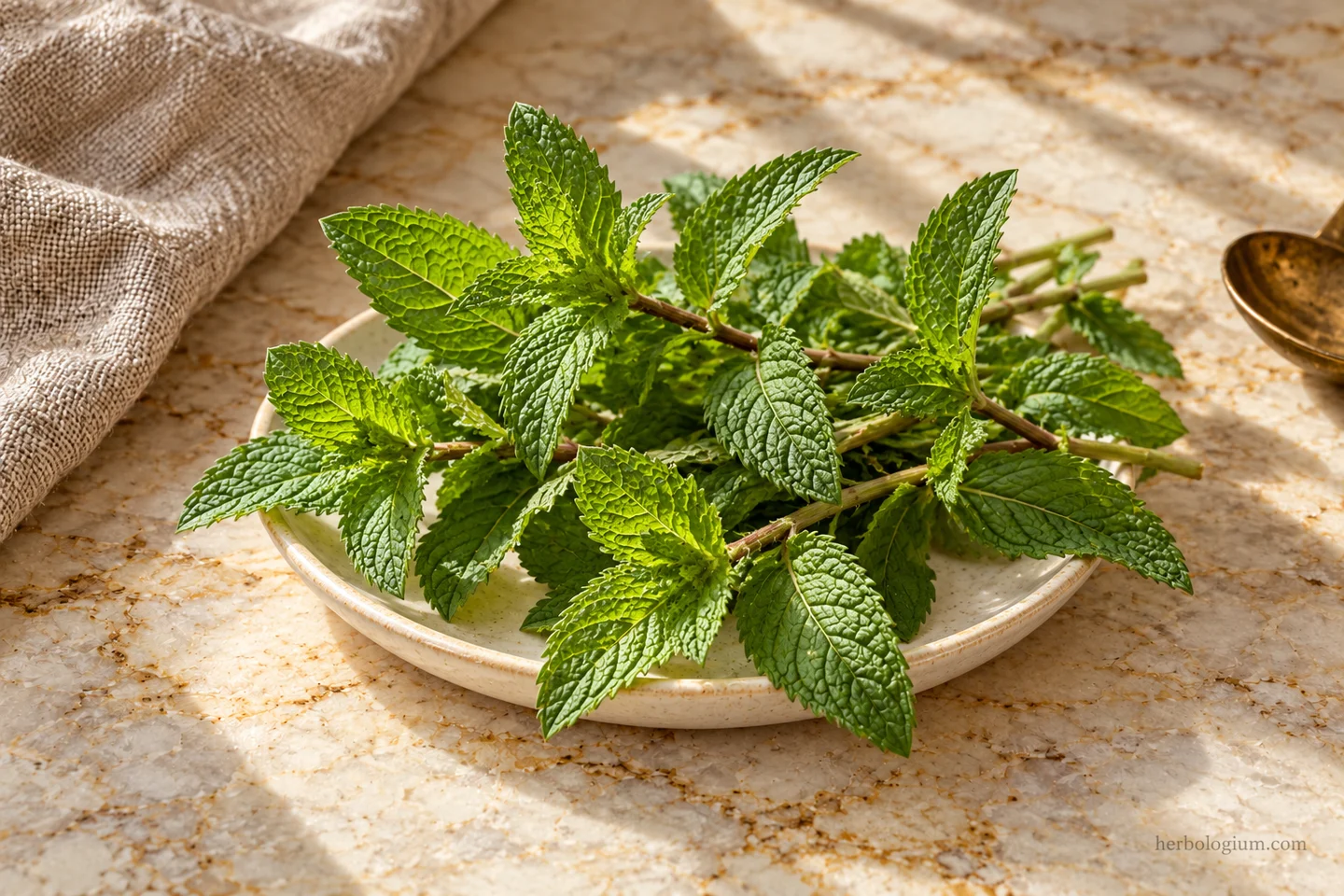
Spearmint — imagined ingredient study · OpenAI image generation · Herbologium art direction · AI-generated decorative artwork. Original AI-generated ingredient illustration, made for Herbologium with Taj Mahal quartzite, flax linen and soft natural-light styling. Not a photograph, botanical identification guide, or documentation of a historical custom. The domain mark identifies the collection; no human photographer is claimed. No blanket reuse license is stated. Source: https://herbologium.com/botanical-illustrations.json
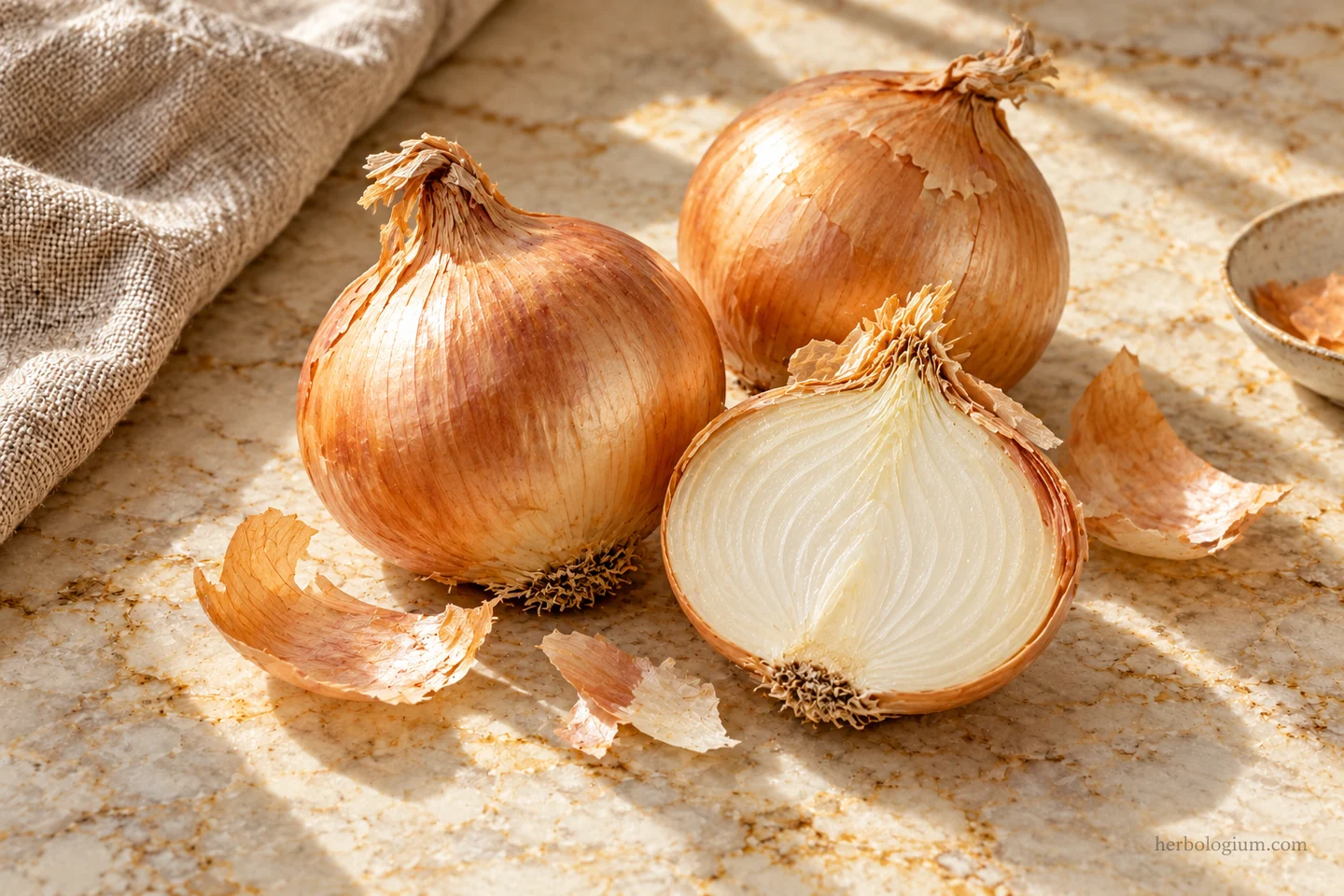
Onion — imagined ingredient study · OpenAI image generation · Herbologium art direction · AI-generated decorative artwork. Original AI-generated ingredient illustration, made for Herbologium with Taj Mahal quartzite, flax linen and soft natural-light styling. Not a photograph, botanical identification guide, or documentation of a historical custom. The domain mark identifies the collection; no human photographer is claimed. No blanket reuse license is stated. Source: https://herbologium.com/botanical-illustrations.json
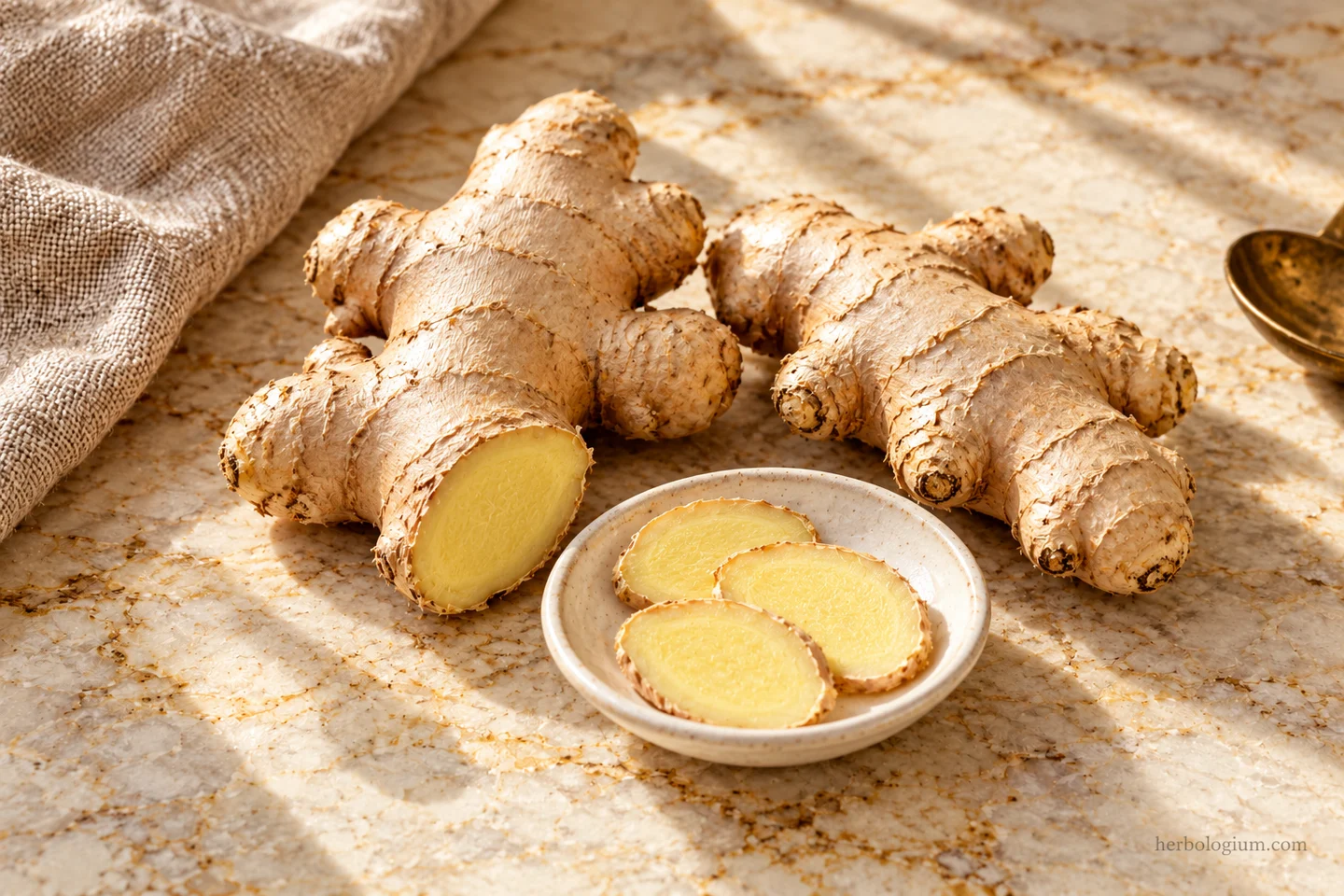
Ginger — imagined ingredient study · OpenAI image generation · Herbologium art direction · AI-generated decorative artwork. Original AI-generated ingredient illustration, made for Herbologium with Taj Mahal quartzite, flax linen and soft natural-light styling. Not a photograph, botanical identification guide, or documentation of a historical custom. The domain mark identifies the collection; no human photographer is claimed. No blanket reuse license is stated. Source: https://herbologium.com/botanical-illustrations.json
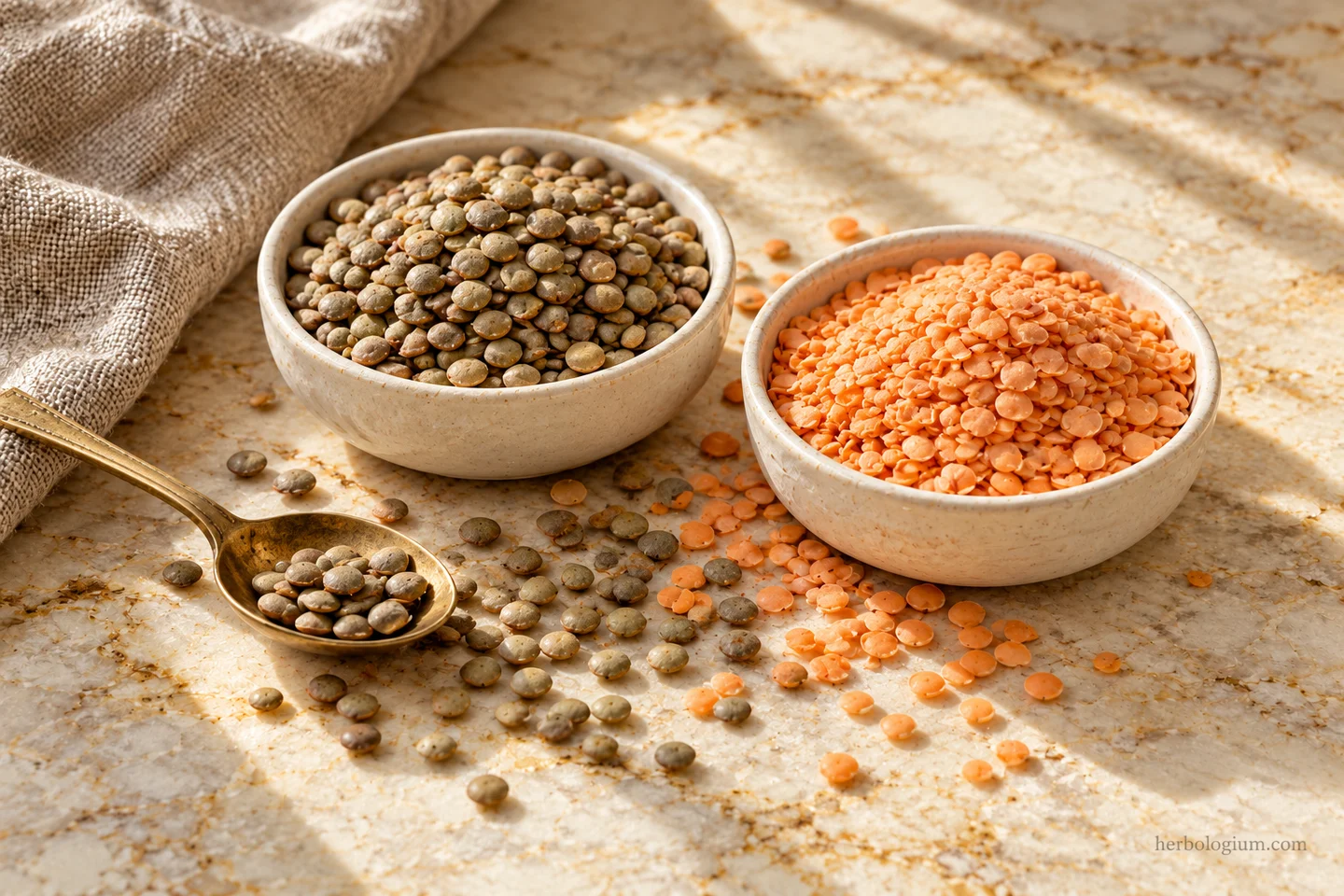
Lentil — imagined ingredient study · OpenAI image generation · Herbologium art direction · AI-generated decorative artwork. Original AI-generated ingredient illustration, made for Herbologium with Taj Mahal quartzite, flax linen and soft natural-light styling. Not a photograph, botanical identification guide, or documentation of a historical custom. The domain mark identifies the collection; no human photographer is claimed. No blanket reuse license is stated. Source: https://herbologium.com/botanical-illustrations.json
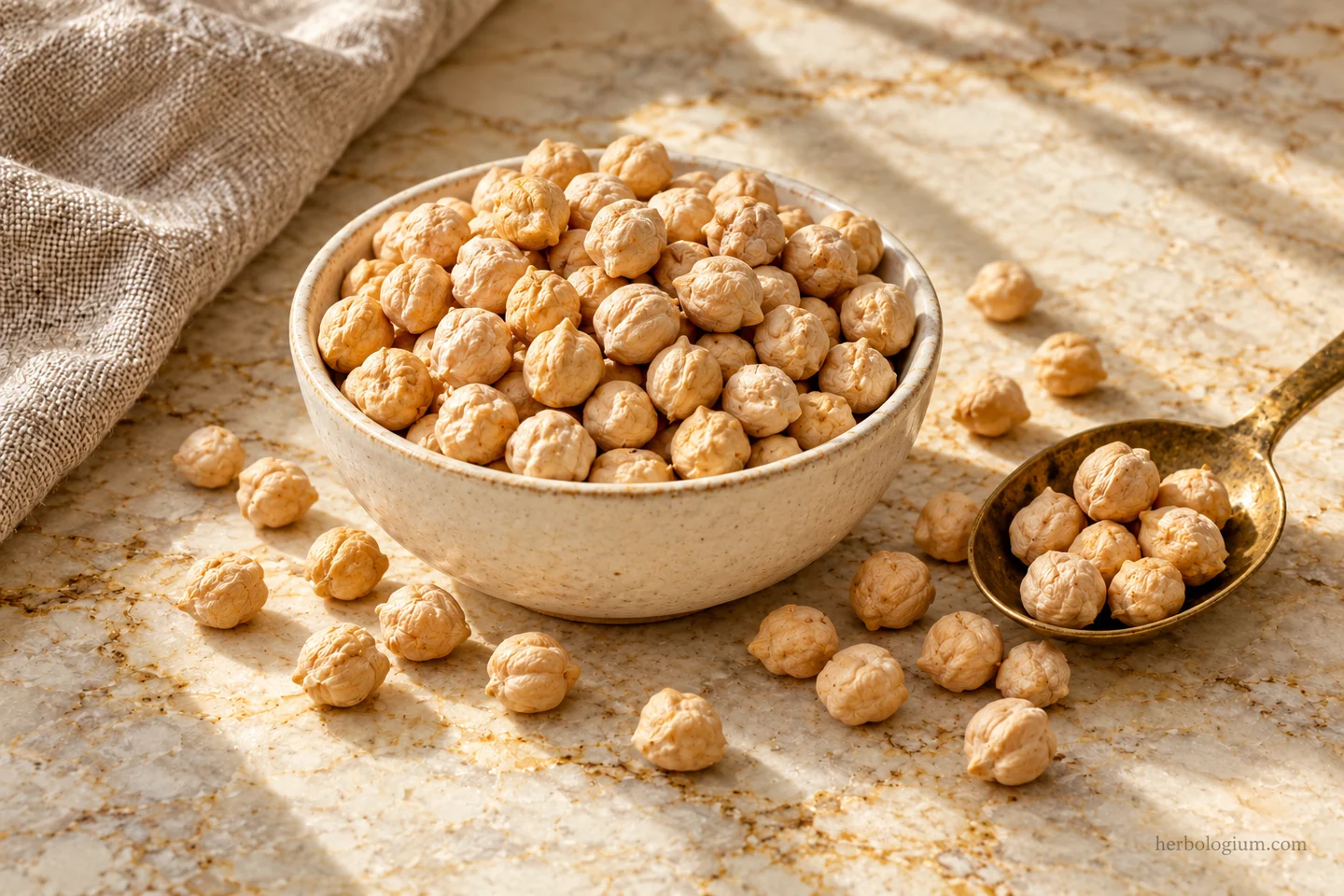
Chickpea — imagined ingredient study · OpenAI image generation · Herbologium art direction · AI-generated decorative artwork. Original AI-generated ingredient illustration, made for Herbologium with Taj Mahal quartzite, flax linen and soft natural-light styling. Not a photograph, botanical identification guide, or documentation of a historical custom. The domain mark identifies the collection; no human photographer is claimed. No blanket reuse license is stated. Source: https://herbologium.com/botanical-illustrations.json
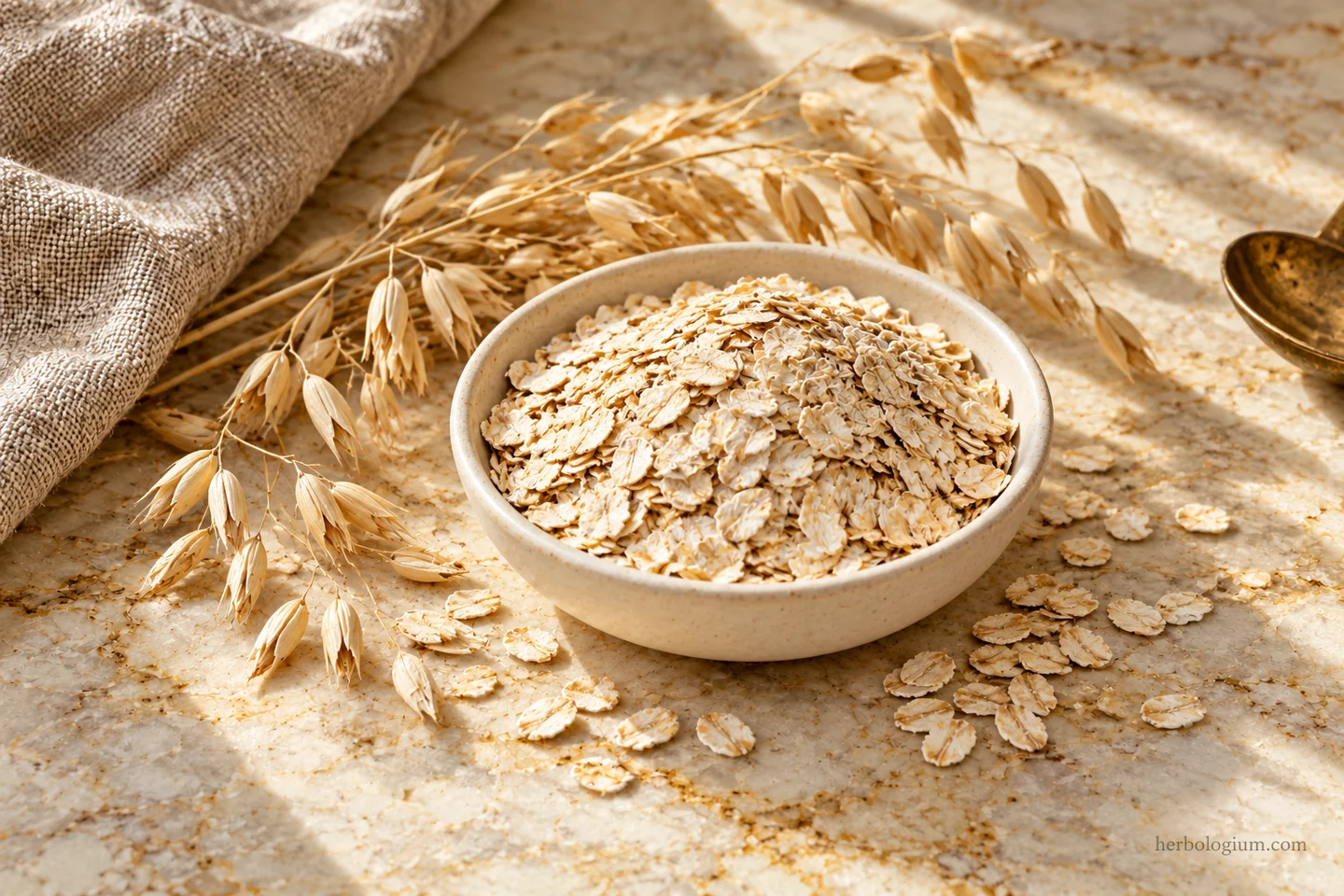
Oats — imagined ingredient study · OpenAI image generation · Herbologium art direction · AI-generated decorative artwork. Original AI-generated ingredient illustration, made for Herbologium with Taj Mahal quartzite, flax linen and soft natural-light styling. Not a photograph, botanical identification guide, or documentation of a historical custom. The domain mark identifies the collection; no human photographer is claimed. No blanket reuse license is stated. Source: https://herbologium.com/botanical-illustrations.json
Rosemary study · 2026
AI-generated for Herbologium · Herbologium · AI-generated decorative artwork
View the source record ↗Image source: https://herbologium.com/about#artwork · Original decorative illustration generated with OpenAI ImageGen. Not a historical plate or a plant-identification diagram.
Basil — imagined ingredient study · OpenAI image generation · Herbologium art direction · AI-generated decorative artwork. Original AI-generated ingredient illustration, made for Herbologium with Taj Mahal quartzite, flax linen and soft natural-light styling. Not a photograph, botanical identification guide, or documentation of a historical custom. The domain mark identifies the collection; no human photographer is claimed. No blanket reuse license is stated. Source: https://herbologium.com/botanical-illustrations.json
Garlic — imagined ingredient study · OpenAI image generation · Herbologium art direction · AI-generated decorative artwork. Original AI-generated ingredient illustration, made for Herbologium with Taj Mahal quartzite, flax linen and soft natural-light styling. Not a photograph, botanical identification guide, or documentation of a historical custom. The domain mark identifies the collection; no human photographer is claimed. No blanket reuse license is stated. Source: https://herbologium.com/botanical-illustrations.json
Earlier botanical references & their credits
The historical records remain separately credited. They are not the source of the new ingredient illustrations.
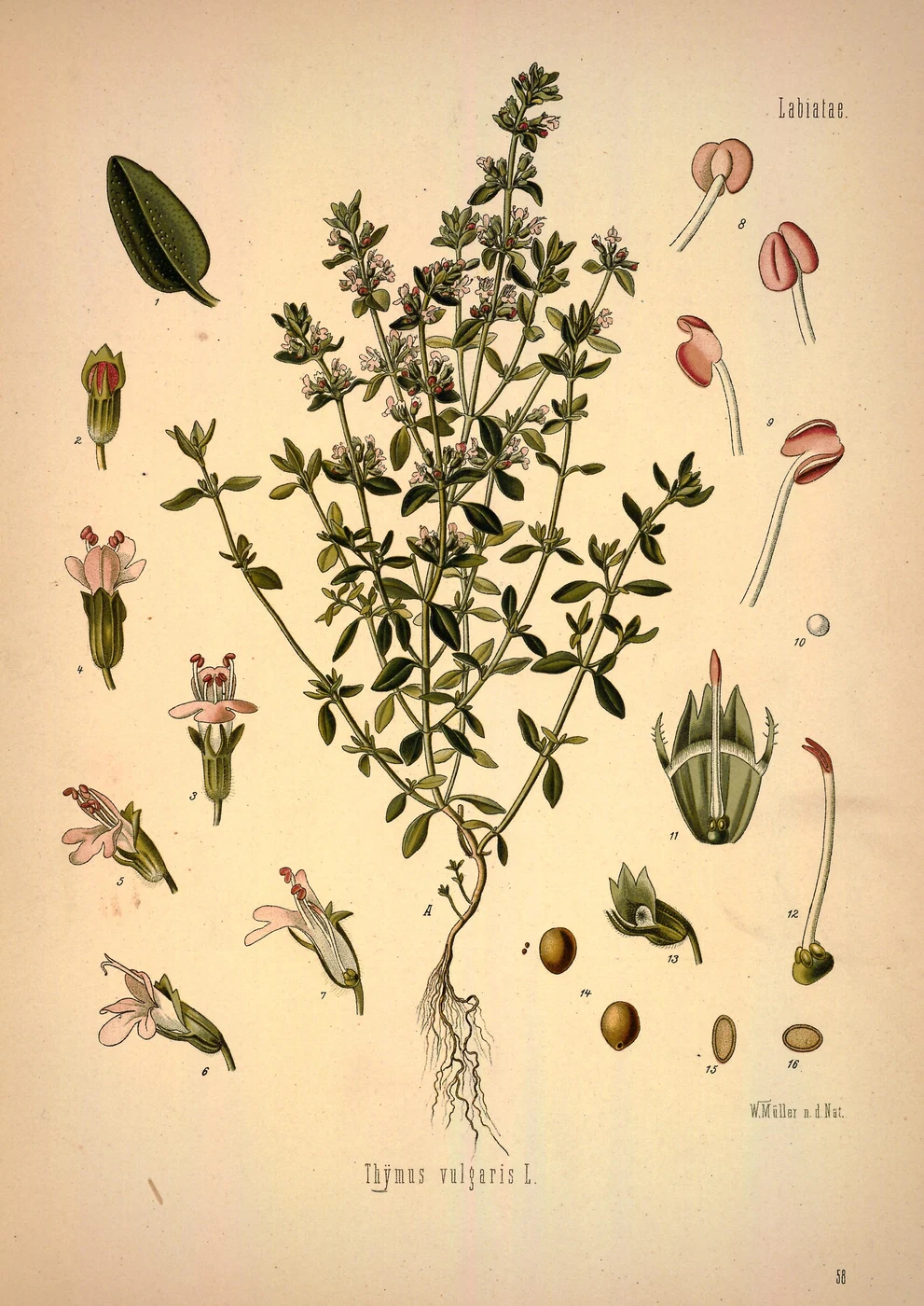
- Thymus vulgaris — Köhler's Medizinal-Pflanzen, plate 58 ↗ · Individual illustrator unrecorded; published in Köhler’s Medizinal-Pflanzen · Biodiversity Heritage Library / Wikimedia Commons · 1887 · Public Domain · View archival image Image: Thymus vulgaris — Köhler's Medizinal-Pflanzen, plate 58 · Individual illustrator unrecorded; published in Köhler’s Medizinal-Pflanzen · Biodiversity Heritage Library / Wikimedia Commons · Public Domain · https://www.biodiversitylibrary.org/page/303678
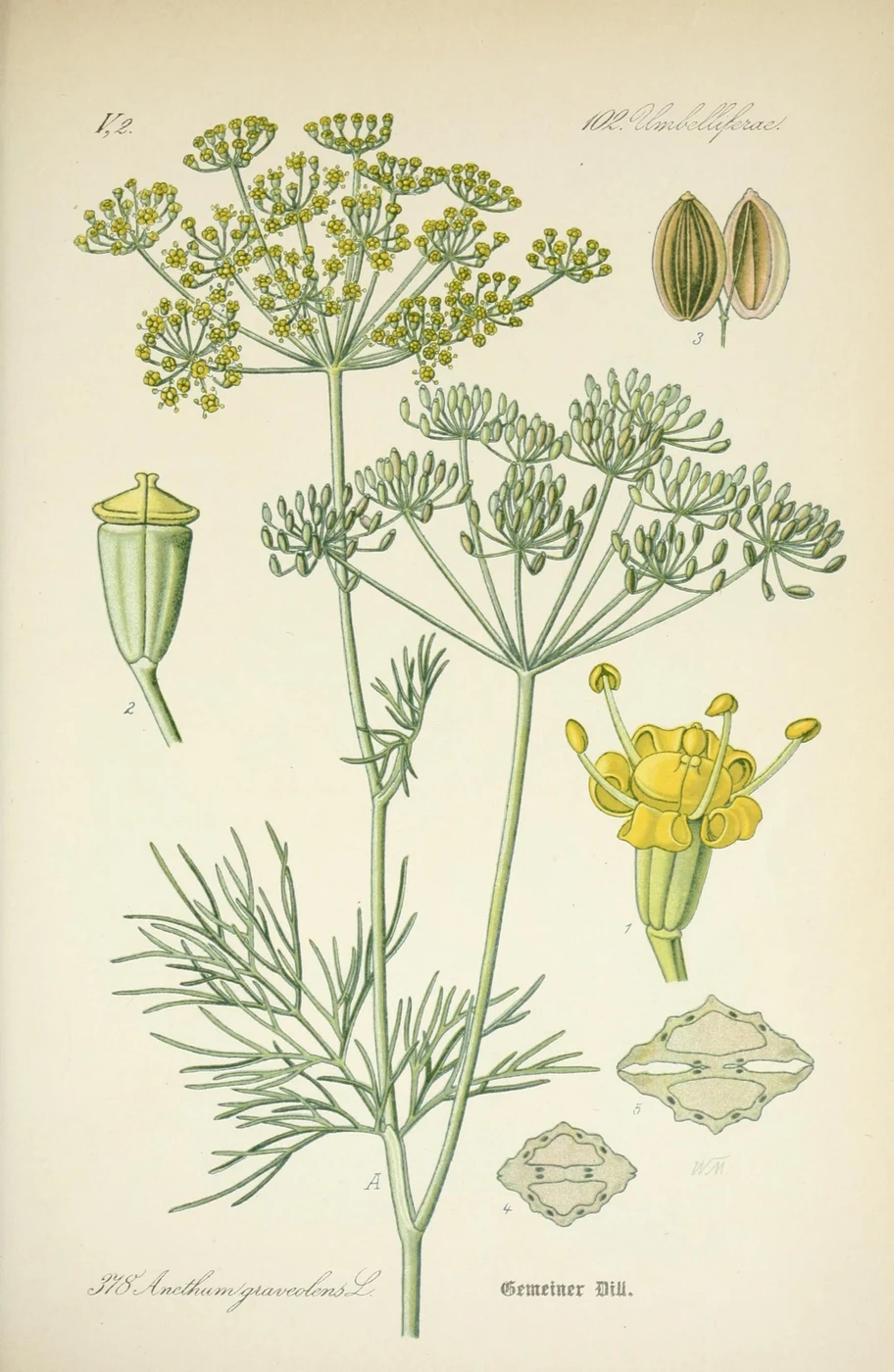
- Anethum graveolens — Thomé's Flora, plate 378 ↗ · Walter Müller (plates credited at publication level) · Mertz Library, The New York Botanical Garden, via Biodiversity Heritage Library / Wikimedia Commons · 1888 · Public Domain · View archival image Image: Anethum graveolens — Thomé's Flora, plate 378 · Walter Müller (plates credited at publication level) · Mertz Library, The New York Botanical Garden, via Biodiversity Heritage Library / Wikimedia Commons · Public Domain · https://www.biodiversitylibrary.org/page/4320887
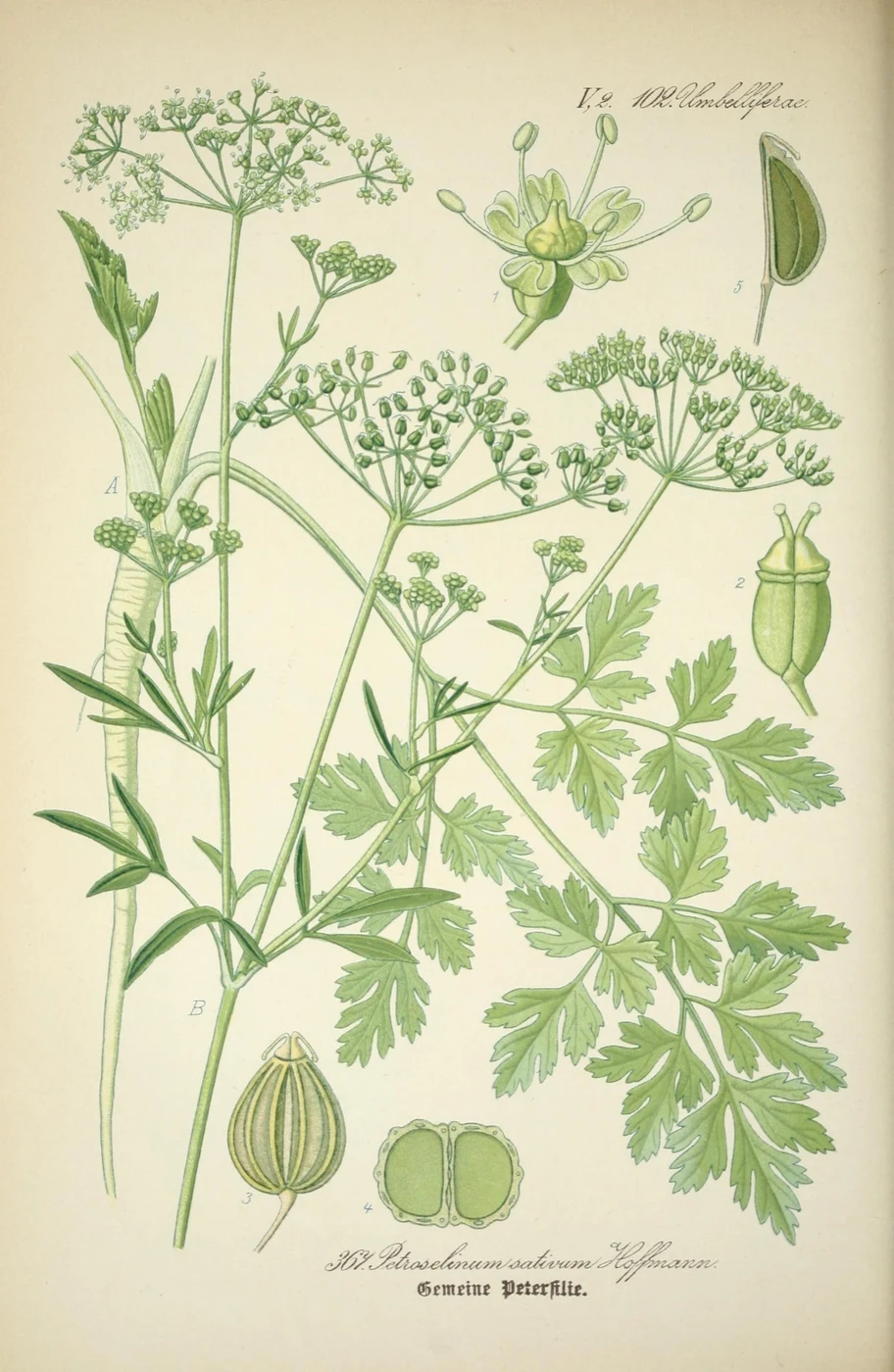
- Parsley — Thomé's Flora, plate 367 ↗ · Walter Müller (plates credited at publication level) · Mertz Library, The New York Botanical Garden, via Biodiversity Heritage Library / Wikimedia Commons · 1888 · Public Domain · View archival image Image: Parsley — Thomé's Flora, plate 367 · Walter Müller (plates credited at publication level) · Mertz Library, The New York Botanical Garden, via Biodiversity Heritage Library / Wikimedia Commons · Public Domain · https://www.biodiversitylibrary.org/page/4320920
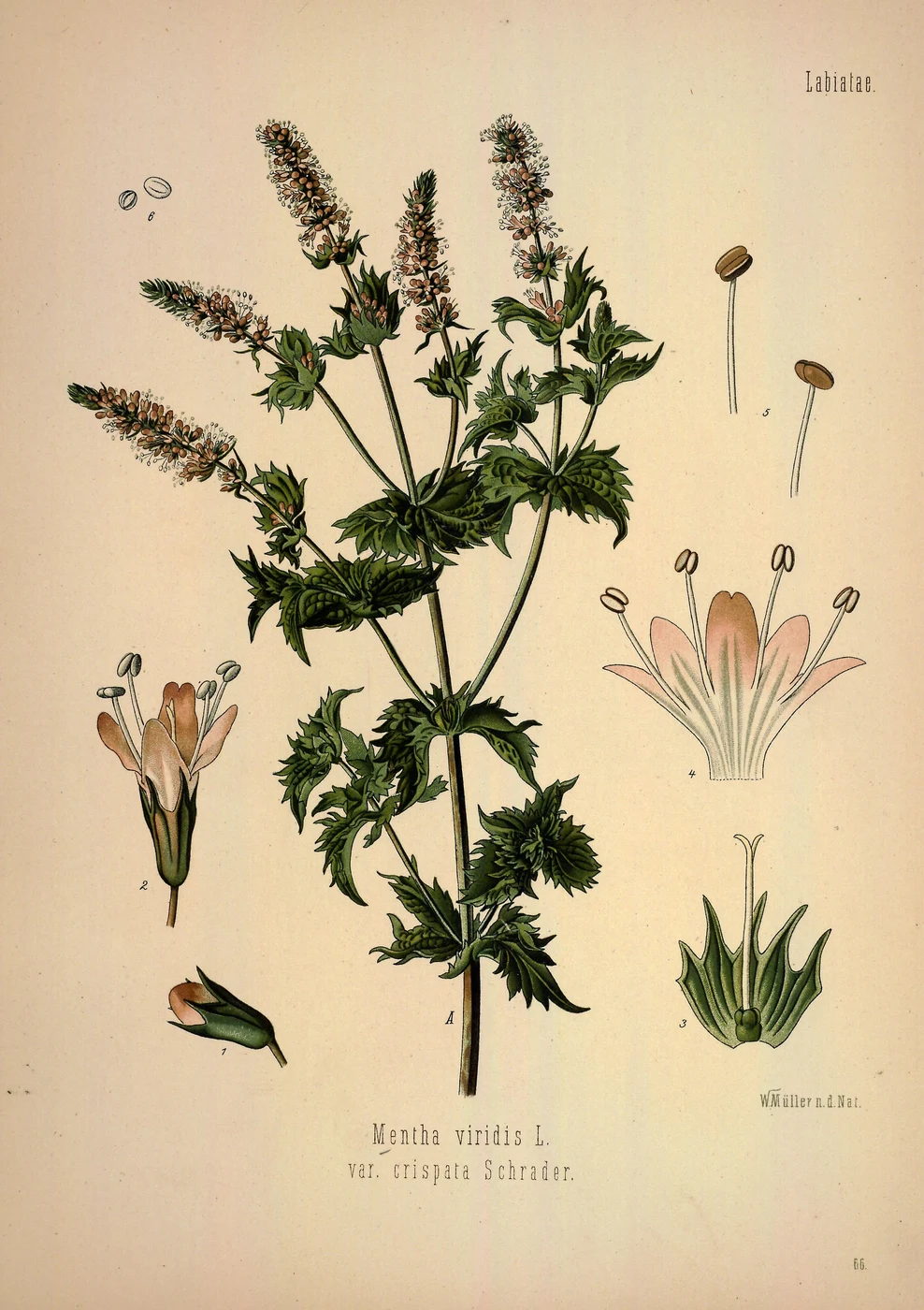
- Mentha viridis — Köhler's Medizinal-Pflanzen, plate 66 ↗ · Individual illustrator unrecorded; published in Köhler’s Medizinal-Pflanzen · Biodiversity Heritage Library / Wikimedia Commons · 1887 · Public Domain · View archival image Image: Mentha viridis — Köhler's Medizinal-Pflanzen, plate 66 · Individual illustrator unrecorded; published in Köhler’s Medizinal-Pflanzen · Biodiversity Heritage Library / Wikimedia Commons · Public Domain · https://www.biodiversitylibrary.org/page/303698
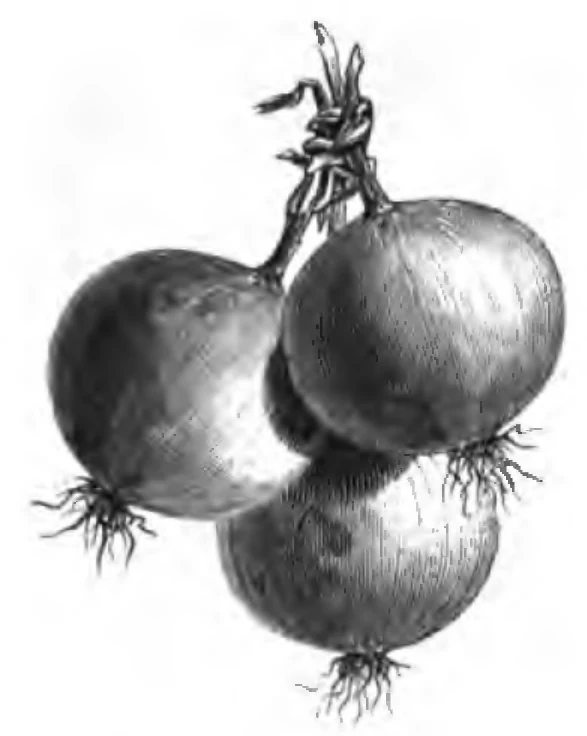
- Ognon jaune de Danvers — Les Plantes potagères ↗ · Vilmorin-Andrieux & Cie, publication creator; individual engraver unrecorded · Wikimedia Commons · 1883 · Public Domain · View archival image Image: Ognon jaune de Danvers — Les Plantes potagères · Vilmorin-Andrieux & Cie, publication creator; individual engraver unrecorded · Wikimedia Commons · Public Domain · https://archive.org/details/lesplantespotag00conggoog
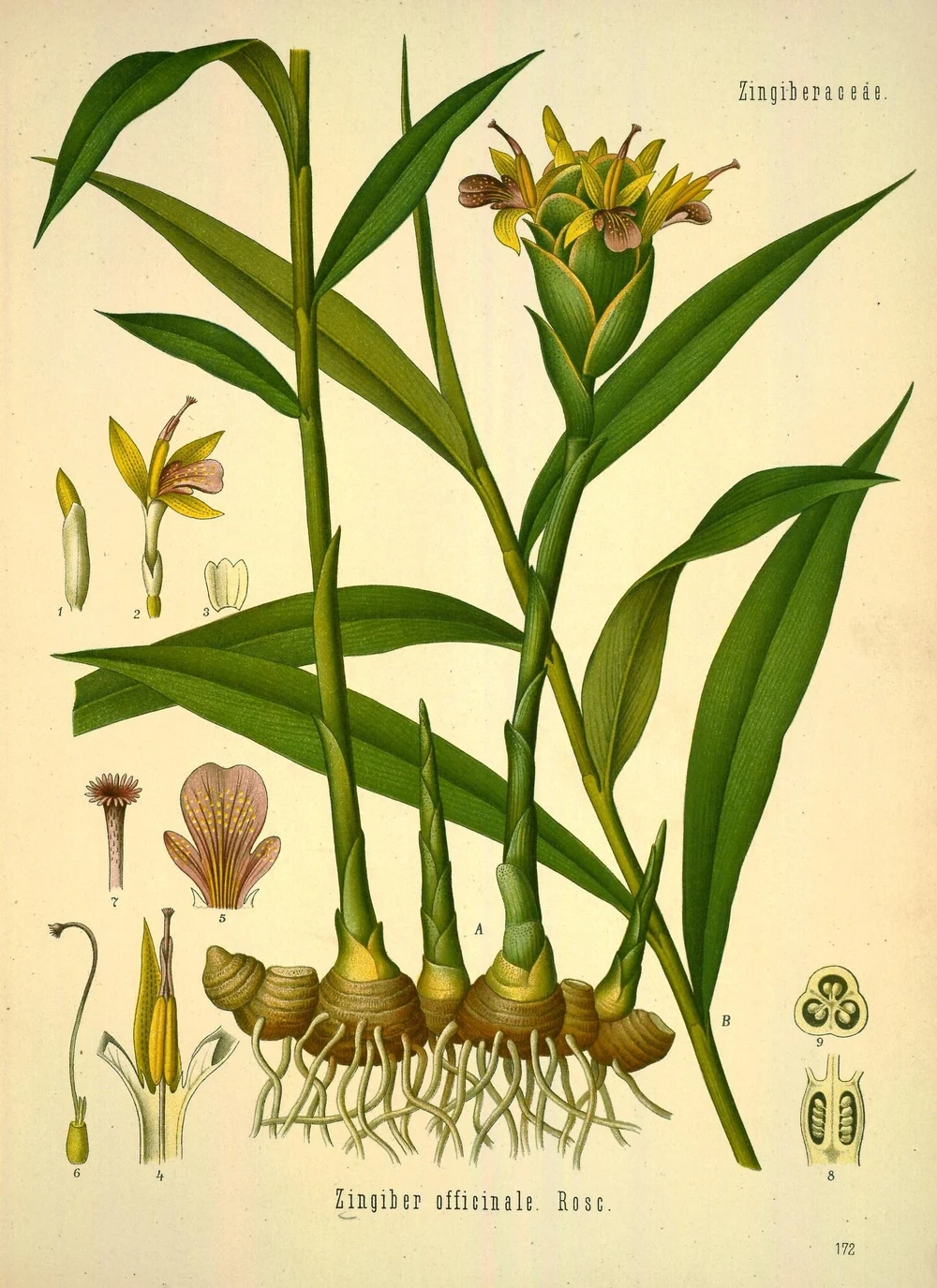
- Zingiber officinale — Köhler's Medizinal-Pflanzen, plate 172 ↗ · Individual illustrator unrecorded; published in Köhler’s Medizinal-Pflanzen · Biodiversity Heritage Library / Wikimedia Commons · 1890 · Public Domain · View archival image Image: Zingiber officinale — Köhler's Medizinal-Pflanzen, plate 172 · Individual illustrator unrecorded; published in Köhler’s Medizinal-Pflanzen · Biodiversity Heritage Library / Wikimedia Commons · Public Domain · https://www.biodiversitylibrary.org/page/303284
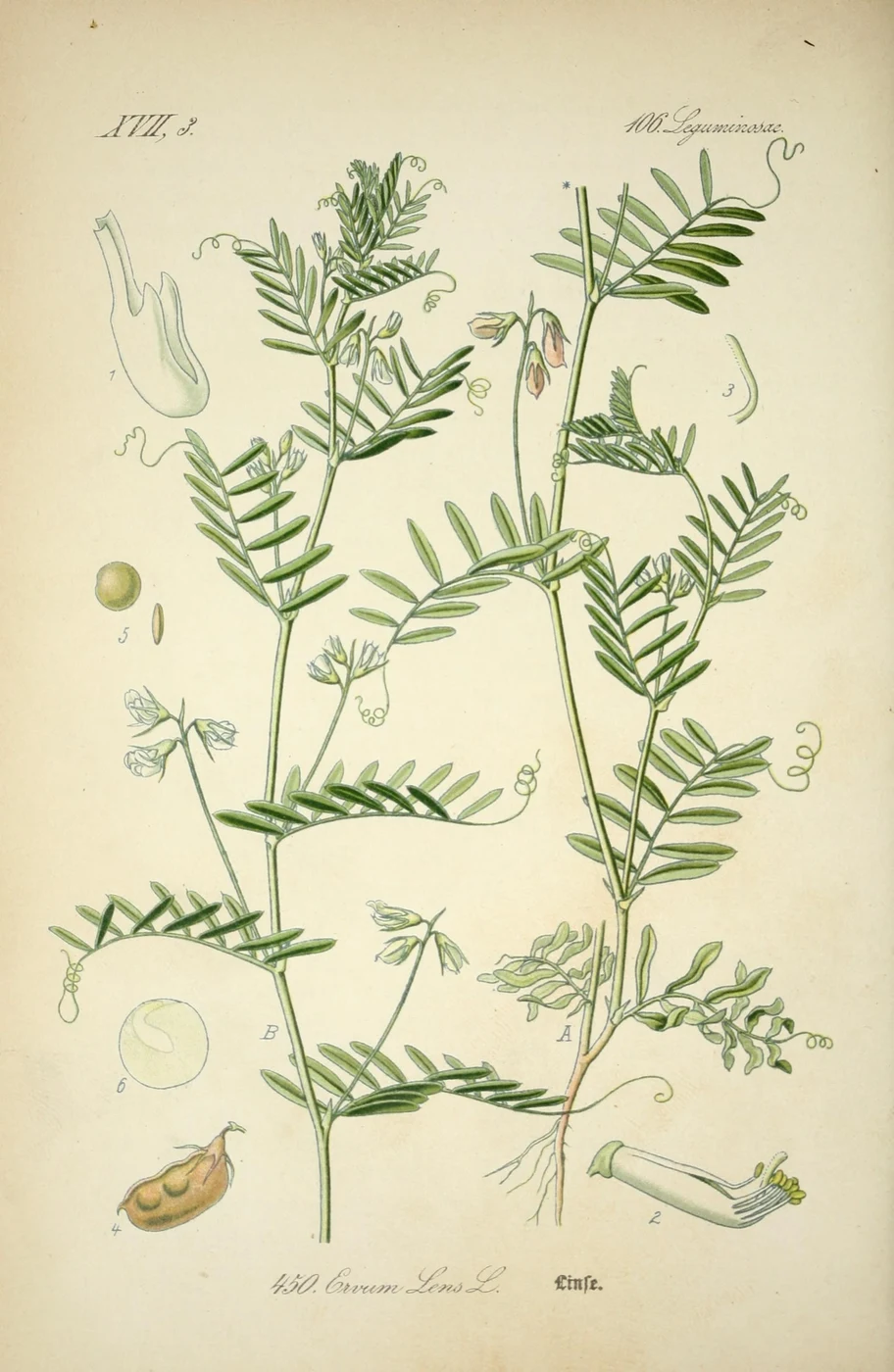
- Lentil — Thomé's Flora, plate 450 ↗ · Walter Müller (plates credited at publication level) · Mertz Library, The New York Botanical Garden, via Biodiversity Heritage Library / Wikimedia Commons · 1888 · Public Domain · View archival image Image: Lentil — Thomé's Flora, plate 450 · Walter Müller (plates credited at publication level) · Mertz Library, The New York Botanical Garden, via Biodiversity Heritage Library / Wikimedia Commons · Public Domain · https://www.biodiversitylibrary.org/page/4321448
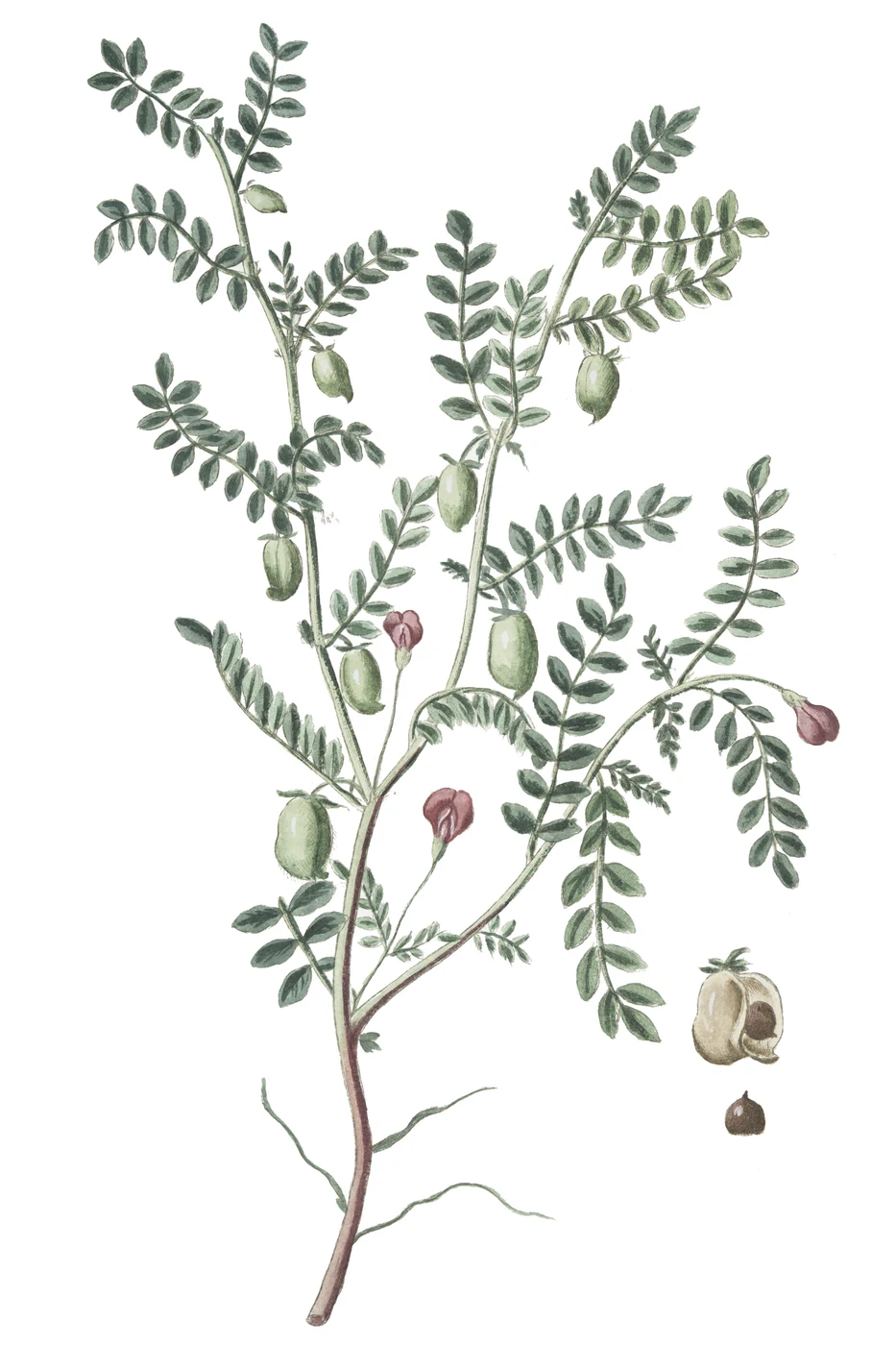
- Cicer sativum = Cece rosso = Poids chiche — Hortus Romanus ↗ · Giorgio Bonelli, Constantino Sabbati and Liberato Sabbati, authors; Niccolò Martelli, editor; individual plate illustrator unrecorded · The New York Public Library, Rare Book Division / Wikimedia Commons · 1772–1793 · Public Domain · View archival image Image: Cicer sativum = Cece rosso = Poids chiche — Hortus Romanus · Giorgio Bonelli, Constantino Sabbati and Liberato Sabbati, authors; Niccolò Martelli, editor; individual plate illustrator unrecorded · The New York Public Library, Rare Book Division / Wikimedia Commons · Public Domain · https://digitalcollections.nypl.org/items/664664e0-c5f1-012f-0ca9-58d385a7bc34
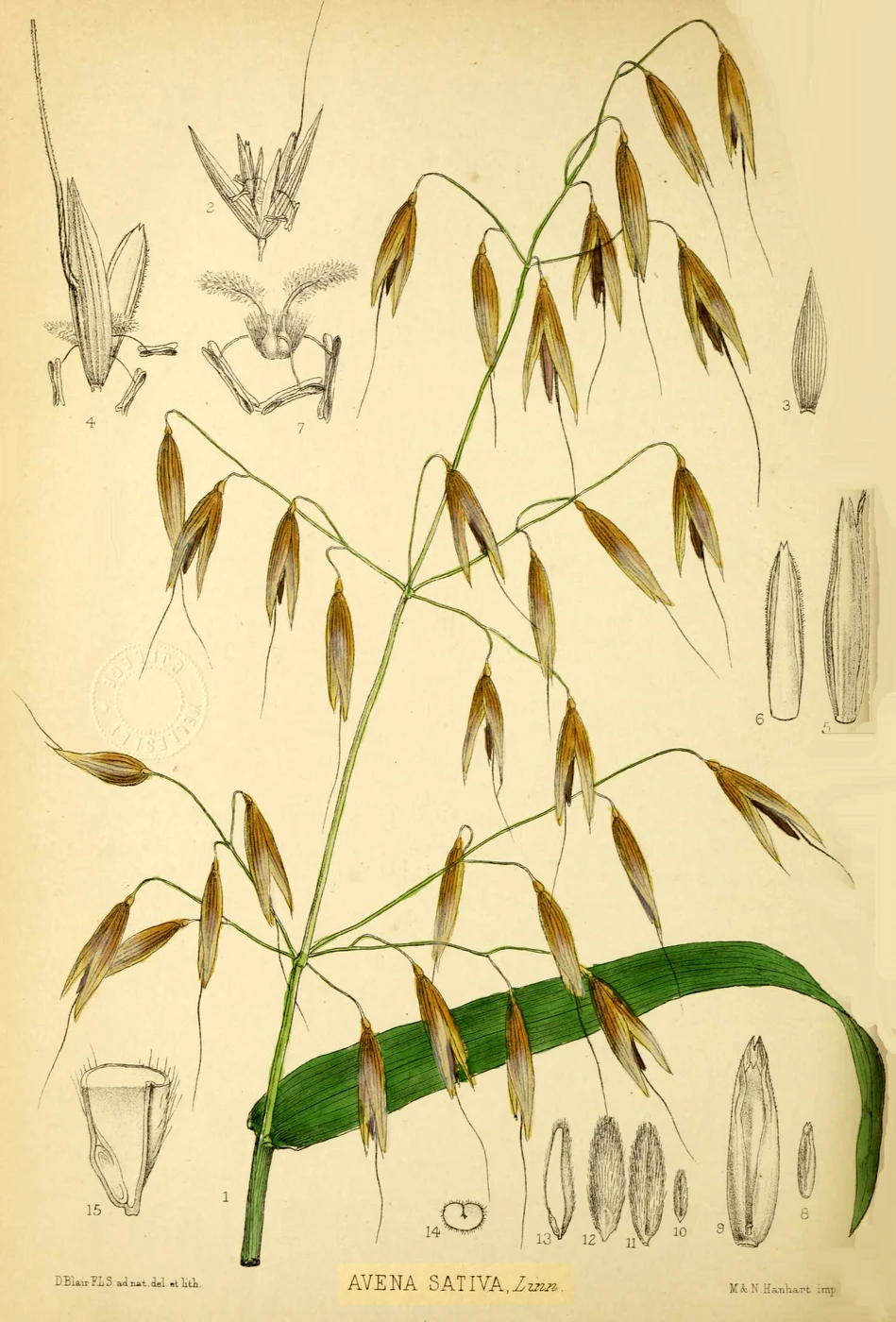
- Avena sativa — Medicinal Plants, volume 4, entry 292 ↗ · Robert Bentley and Henry Trimen, publication authors; individual illustrator unrecorded · Wikimedia Commons · 1880 · Public Domain · View archival image Image: Avena sativa — Medicinal Plants, volume 4, entry 292 · Robert Bentley and Henry Trimen, publication authors; individual illustrator unrecorded · Wikimedia Commons · Public Domain · https://commons.wikimedia.org/wiki/File:Bentley_and_Trimen_Avena.jpg
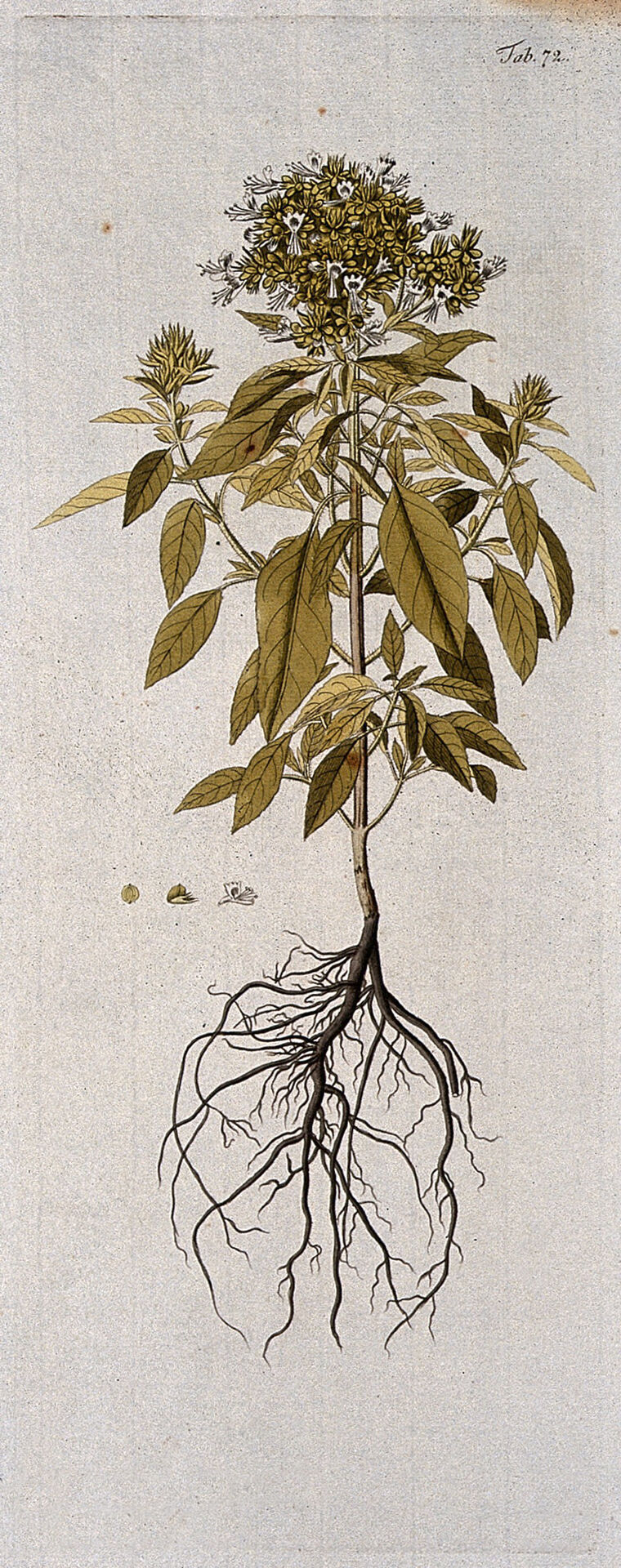
- Basil, flowering plant and floral details ↗ · After Franz Anton von Scheidl · Wellcome Collection · 1776 · Public Domain · View archival image Image: Basil, flowering plant and floral details · After Franz Anton von Scheidl · Wellcome Collection · Public Domain · https://wellcomecollection.org/works/a3wx6334
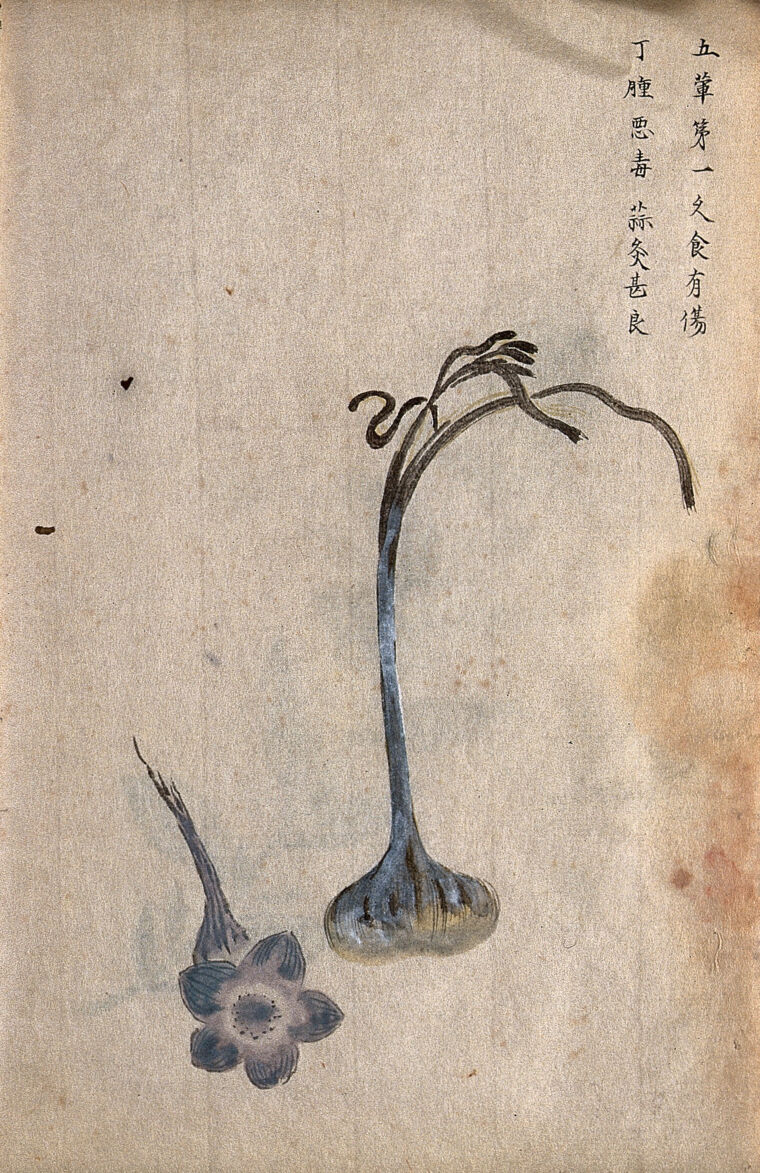
- Garlic, bulb and leaves ↗ · Creator unrecorded · Wellcome Collection · Date unrecorded · Public Domain · View archival image Image: Garlic, bulb and leaves · Creator unrecorded · Wellcome Collection · Public Domain · https://wellcomecollection.org/works/ufvp34v5
06 / YOUR OWN BOX
Leave a little
of your own knowledge here.
Keep a card to return to. Add what you noticed. Preserve someone’s words with their name, then make a booklet to share when you choose.
Open your recipe boxKeep something
Save a plant, recipe, account, or research card.
Add your own margin notes
Record a substitution, a cooking observation, or a family story. Keep the original words and your changes distinct.
Put it on paper
Select the recipes, stories, and regional readings you want in a printable booklet.
Make a family booklet →
Your personal material stays in this browser. Export a backup to keep a separate copy. How your box is stored →
THE COLOPHON
Kept with care.
Open to correction.
Site founded and collection curated by Evelyna Bellamy. Herbologium is a project of Temporal Architecture, alongside collections including Chromologium and Cartologium.
Original authors retain their credit. Recipe adaptations, reading limits, and any actual testing or review are described where they belong.
Source consultation records describe material consulted for this edition. They do not document Evelyna personally writing the summaries, taking the photographs, conducting the studies, or testing the preparations. No independent expert review of Herbologium's summaries is recorded.
About this collection · Updated
Credit & reuse
The two Wellcome Collection plates carry the Public Domain Mark. Nine further historical illustrations have public-domain records linked in the catalogue. Each source record gives its own attribution and reuse terms.
The generated rosemary study, original ingredient symbols, and editorial compositions are credited to Herbologium. Source materials retain their own rights. Linking to the collection is welcome.
Recipe text carries its own source and reuse terms. Wikibooks adaptations retain CC BY-SA 4.0; public-domain contributions retain their contributor credits. Read the recipe policy →
Full recipes use AI-generated serving illustrations created with OpenAI image generation and Herbologium art direction. Each image has a source card; booklets retain its credit and disclosure. These illustrations do not document cooked or kitchen-tested batches. Inspect illustration details & provenance →
Inspect the artwork creditsTypefaces, icons & map data
The interface uses work by the following projects. These credits apply to the named assets, independently of recipe and image licenses.
Cormorant Garamond · Christian Thalmann / The Cormorant Project Authors
Source Sans 3 · Paul D. Hunt / Adobe
Caveat · Pablo Impallari / The Caveat Project Authors
Lucide icons · Lucide Contributors; portions by Cole Bemis / Feather
Natural Earth map geometry · Natural Earth contributors